

Nine nights across three considered bases
The Perfect 10-Day South Africa Itinerary From the U.S.: Cape Town, Winelands + Safari
The strongest ten-day first trip uses three bases: four nights in Cape Town, two in the Winelands, and three on safari. Count these as ten days on the ground, not from the moment you leave home. That protects the journey from U.S. flight time, avoids one-night stops, and gives the safari enough repeated game-drive opportunities.
In this guide
What is the best shape for ten days?
| Days | Base | Main experiences | Nights |
|---|---|---|---|
| 1–4 | Cape Town | Table Mountain, city, Peninsula, coast, culture | 4 |
| 5–6 | Cape Winelands | Stellenbosch or Franschhoek, estates, food, rest | 2 |
| 7–9 | Kruger or Greater Kruger | Arrival drive and repeated guided safari | 3 |
| 10 | In transit | Lodge departure and international connection | — |
This sequence limits hotel changes and ends with safari rather than placing another busy city day after it. Do not add the Garden Route, Victoria Falls, or another country unless you add more nights.
How should travellers from the U.S. count the journey?
Treat Day 1 as the day you arrive in Cape Town. Depending on the U.S. origin, route, and connection, the outbound journey may consume a full calendar day and an overnight. The return may do the same.
Book the international and South African domestic flights as one coordinated sequence. Protect realistic connection time and do not place a non-refundable experience on the arrival afternoon. Flight schedules change, so the safari region and direction of travel should follow the best current air pattern.
Day 1 · Cape Town
Arrive, reset, and keep the evening easy
Meet a named driver at Cape Town International Airport and go directly to the hotel. Check in, shower, eat nearby, and let the body adjust. Avoid scheduling Table Mountain, a tasting, or a long dinner after an intercontinental journey.
Choose one Cape Town base for all four nights. The V&A Waterfront is convenient for many first visits; Green Point, Sea Point, the City Bowl, and Atlantic Seaboard can also work when the property matches your style.
Day 2 · Cape Town
Use clear weather for Table Mountain, then meet the city
Check the official cableway status and use a suitable clear window. If wind or cloud closes the cableway, move it to Day 4 rather than forcing the plan.
Continue with a measured city introduction: Company’s Garden, Bo-Kaap with a responsible guide, a gallery, or the V&A Waterfront. One thoughtful cultural stop is enough on the first full day.
Day 3 · Cape Peninsula
Give the Peninsula a full day
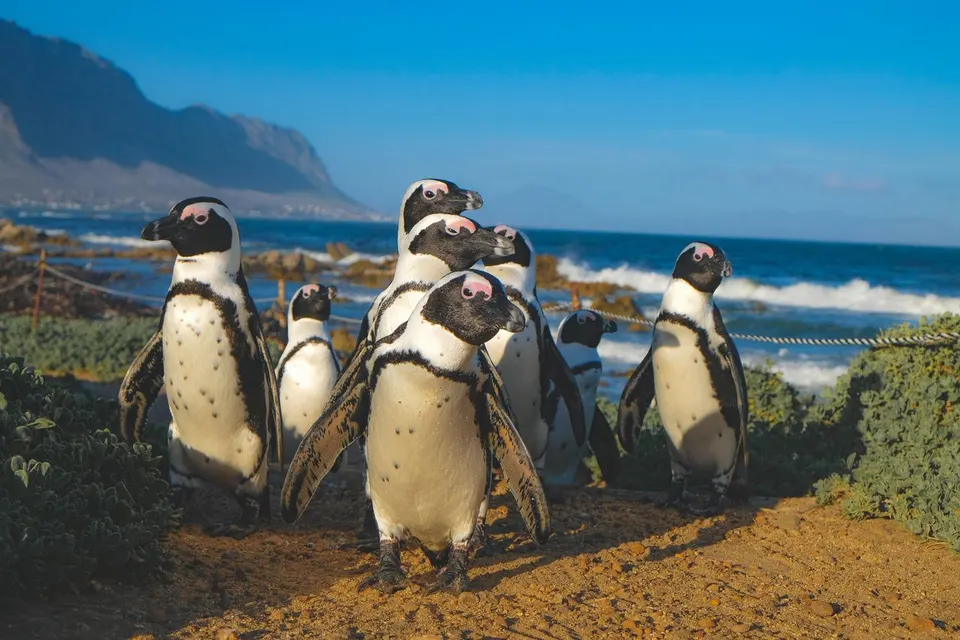
Travel the Atlantic coast with a private driver or reputable small group. Build the day around Cape Point, the scenery of the peninsula, and the African penguins at Boulders rather than a race through every possible stop.
At Boulders, remain on the boardwalks and follow SANParks guidance. Summer traffic and parking pressure reward an early start.
Day 4 · Cape Town
Choose history, food, coast, or the weather-delayed mountain
This day protects the itinerary from Cape Town weather and lets personal interests lead. Use it for Robben Island, a guided food and history experience, Kirstenbosch, art and design, the Atlantic coast, or Table Mountain if Day 2 did not work.
Do not combine all of them. One anchor and one lighter experience create a better final Cape Town day.
Day 5 · Cape Winelands
Move to wine country without turning the day into a transfer
Check out after breakfast and travel with a driver to Stellenbosch or Franschhoek. Stop at one estate before a long lunch, then settle into the Winelands hotel.
The overnight stay changes the rhythm. You can enjoy the evening and next morning without commuting back to Cape Town. Choose the base for atmosphere and restaurant access rather than trying to cover every wine route.
Day 6 · Cape Winelands
Let food, landscape, and two good estates carry the day
Use a driver and select two estates that reflect your interests. One might focus on a serious tasting; another may earn its place through gardens, architecture, art, or lunch. More stops rarely make a richer day.
Non-drinkers should not treat the Winelands as irrelevant. Landscape, kitchens, galleries, farm experiences, and considered hospitality can shape the stay.

Day 7 · Safari
Fly to the safari region and take the first drive
Transfer to the appropriate Cape airport and fly toward Kruger or the selected private reserve. The exact airport depends on lodge location and current schedules. A road transfer completes the journey.
When arrival timing allows, settle in and join the afternoon game drive. Do not make a same-day connection so tight that one delay removes the first safari experience.
Days 8 and 9 · Safari
Settle into the rhythm of morning and afternoon drives
Safari rewards repetition. Each drive has different light, weather, animal movement, and luck. Use the hours between drives for breakfast, rest, a pool, a hide, or a nature activity offered by the lodge.
SANParks describes morning, sunset, night, and all-day guided drive formats. A private reserve lodge may follow its own included-drive schedule. Wildlife is never guaranteed.

Day 10 · Departure
Take one final drive, then connect home carefully
When the lodge and flight schedule allow, join an early drive before breakfast and departure. Transfer to the regional airport and connect through Johannesburg or the route specified by the ticket.
Leave enough time between a bush transfer, domestic flight, and long-haul departure. When one itinerary cannot protect the connection, add a Johannesburg airport night rather than gambling with the international ticket.
Which choices change this itinerary most?
- Safari type: SANParks rest camp, private reserve, and luxury lodge produce different service, guiding, and price structures.
- Malaria: parts of the Kruger region carry malaria risk. Seek destination-specific medical advice well before travel.
- Season: Cape Town and Kruger have different weather patterns; one perfect month for both does not exist.
- Winelands split: keep two nights if food, wine, and slower mornings matter; use one Cape Town base only if fewer hotel moves matter more.
- Flight gateway: let reliable connections influence direction and lodge choice.
- Budget: safari lodge, internal flights, and private transfers usually shape the largest differences.
Read Cape Town safety for American tourists before departure and the month-by-month Cape Town guide for seasonal tradeoffs.
Ten-day South Africa itinerary questions
Is 10 days enough for Cape Town and safari?
Yes, if the ten days are spent in South Africa and the route is limited to three bases. Four Cape Town nights, two Winelands nights, and three safari nights provide meaningful time without adding a road trip or another country.
Does this itinerary include international flight days?
No. It uses ten days and nine nights on the ground in South Africa. Most U.S. travellers should allow an additional overnight journey before Day 1 and another travel day after Day 10.
Should Americans visit Cape Town or safari first?
Cape Town first works well for this route because it provides a gentler landing and ends with the emotional high point of safari. Safari first can be sensible when air schedules, lodge availability, or jet lag make the reverse route cleaner.
How many safari nights are enough?
Three nights is the practical minimum in a ten-day combination. It normally creates several morning and afternoon game-drive opportunities while allowing for arrival and departure transfers.
Do U.S. citizens need a visa for South Africa?
U.S. passport holders are generally eligible for qualifying tourist visits of up to 90 days without a traditional visitor visa, subject to current entry conditions. Confirm official requirements and airline documentation before travel.
Make ten days count